 The Family Bike
Cycling travel is attracting more and more adventure seekers and lovers of freedom. Today, there are two main approaches: bikepacking and cycle tourism. Although both share a love of two-wheeled travel, they differ significantly in their philosophy, equipment, and riding style.
In this article, The Family Bike, a bike travel agency, invites you to discover the key differences between bikepacking and traditional cycle touring, so you can choose the option that best suits you.
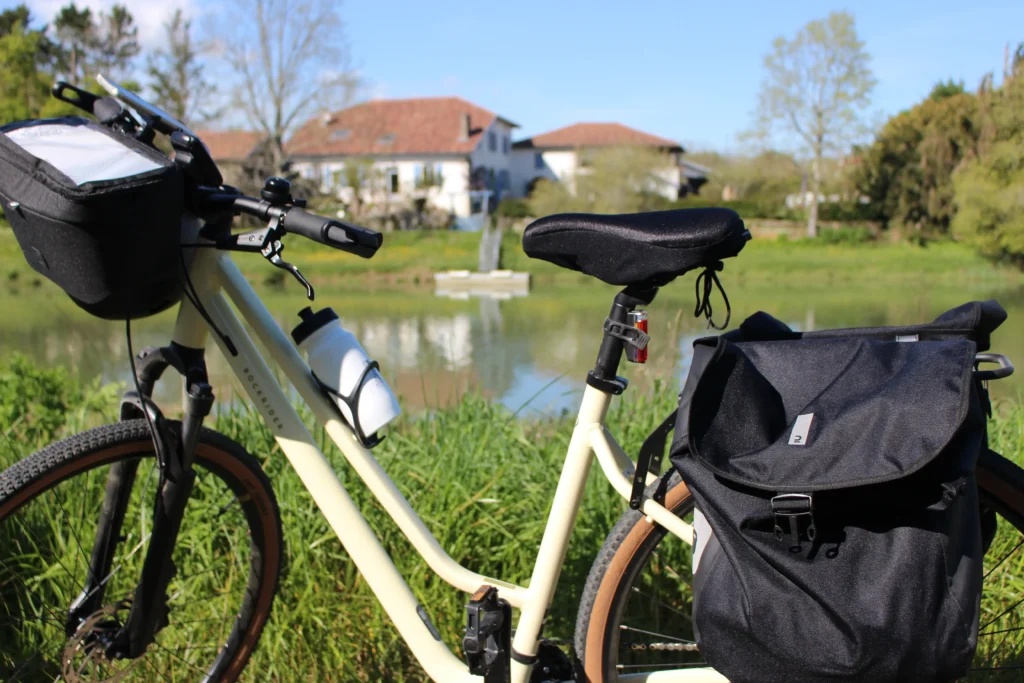
1. Bikepacking and Cycle Tourism: Lightweight vs. Comfort
Bikepacking: Minimalism and Self-Sufficiency
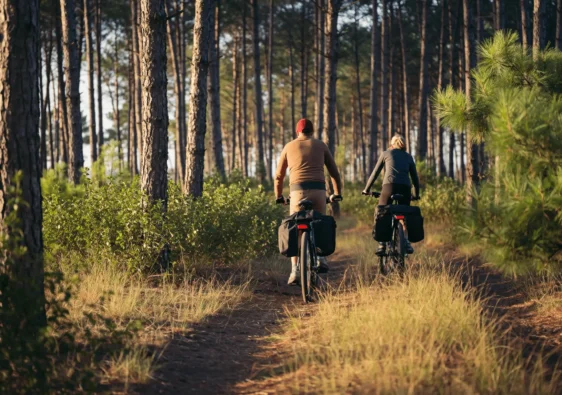
Bikepacking focuses on ultra-lightweight gear and complete self-sufficiency. Inspired by mountain biking and gravel riding, this activity favors off-the-beaten-path routes: forest trails, mountain paths, and single tracks.
The goal: travel light, go far, and sleep in the great outdoors.
Cycle touring: comfort and accessibility
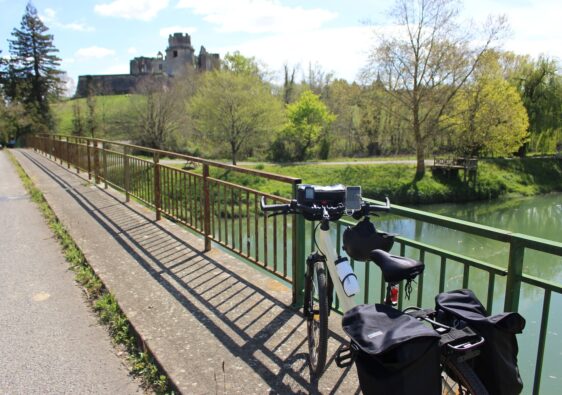
Cycle touring, a more traditional form of cycling, prioritizes comfort and accessibility. Routes are mainly on paved roads or greenways. The journey is more leisurely, often with stops at campgrounds, lodges, or bed-and-breakfasts.
2. Gear: Panniers vs. Compact Bags
Bikepacking:
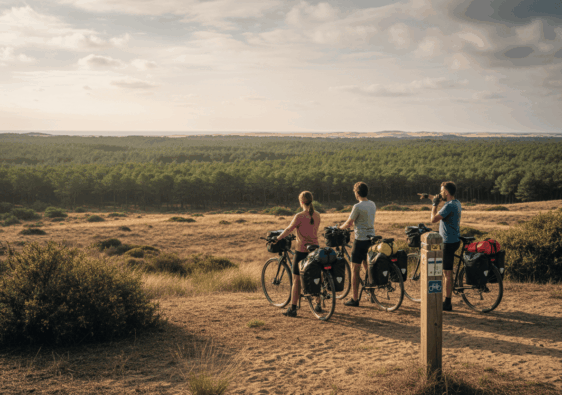
- Uses specialized bags attached to the frame, handlebars, and seatpost
- No luggage racks
Ultra-lightweight and packable gear (hammock, tarp, compact stove)
Touring:
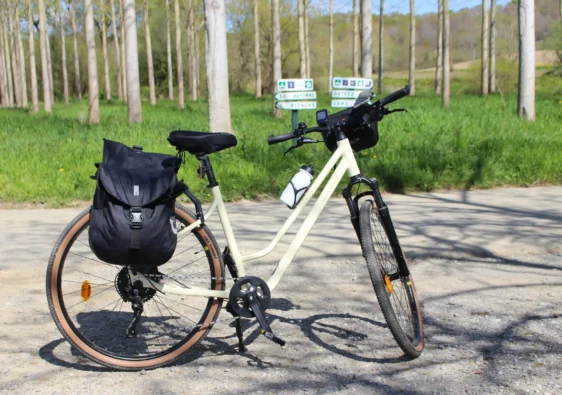
- Relies on traditional panniers attached to a rack
- Ability to carry more clothing, food, and even a spacious tent
Comfort above all: sleeping pad, full-size stove, and sometimes a folding chair
3. Bikepacking and Cycle Tourism: Types of Bikes Used
- Bikepacking: Mountain bikes, gravel bikes, or lightweight touring bikes, often with wide tires for off-road capability.
- Cycle touring: Sturdy touring bikes, hybrid bikes, or even e-bikes on certain routes.
4. The route: marked trails or off-trail adventures?
Bikepacking favors unpaved roads, little-traveled trails, and technical routes.
Cycle tourism relies on marked bike routes, such as the Loire à Vélo, the Vélodyssée, or EuroVelo 6.
Bikepacking therefore requires more preparation, GPS navigation, and a good sense of direction.
5. Bikepacking and cycle tourism: camping or tourist accommodations
Bikepacking: Most nights spent camping (lightweight tent, tarp, hammock), often in the great outdoors or in the wilderness.
Cycle touring: Campgrounds, hotels, bed-and-breakfasts, Warmshowers hosts.
6. Level of independence and experience
Bikepacking is best suited for experienced cyclists who are comfortable traveling independently and are in good physical condition.
Cycle touring is accessible to beginners and families alike, with more options for assistance along the way.
Summary of the differences between bikepacking and cycle tourism
Criterias | Bikepacking | Cycle touring |
Philosophy | Minimalism, adventure | Comfort, exploration |
Terrain | Off-road, trails | Roads, bike paths |
Equipment | Lightweight, compact | Bulky |
Vélo | VTT, gravel | Hybrid bikes, gravel bikes |
Accommodations | Backpacking, nature | Campgrounds, lodges |
General public | Experienced | All levels |
Check out the go-to blog for bike packing in France here.
Conclusion: Which Option Should You Choose?
Choosing between bikepacking and cycle touring depends on your travel style, your experience, and what you’re looking for in a cycling adventure.
- Do you love nature, solitude, and a challenge? Bikepacking is for you.
- Do you prefer to explore the scenery at your own pace, with a minimum of comfort? Go for cycle touring.
And why not try both? Cycling, in all its forms, remains a wonderful way to explore the world.
The Family Bike, a cycling tour agency, offers bikepacking and cycle touring experiences in southwestern France. Interested? Click here 🙂